Breast Augmentation Cost London: 2026 Price Guide
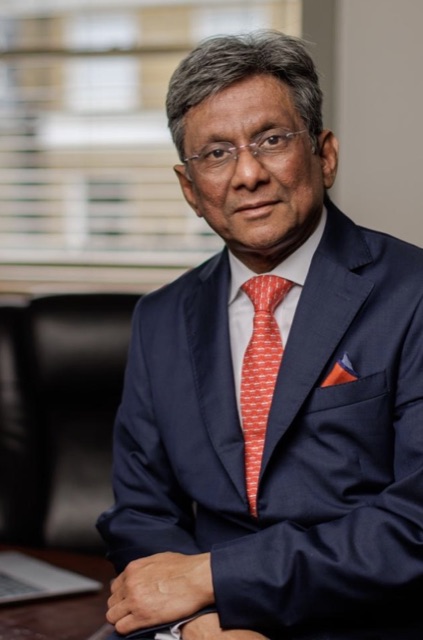
Reviewed by Mr Debashis Ghosh, Consultant Breast & Cosmetic Surgeon (GMC 4657664) · Last updated July 2026
Estimated reading time: 14 minutes
Table of contents
- What is the typical breast augmentation cost in London?
- What is included in a Harley Street breast augmentation price?
- Why do breast augmentation prices vary so much between London clinics?
- Do implants or fat transfer cost more?
- Will I need an uplift as well, and what does that add to the cost?
- Can I pay for breast augmentation with insurance or finance?
- How should I compare breast augmentation quotes between clinics?
- What Mr Ghosh wants patients to understand about price
- Risks and realistic expectations
- How do I choose the right breast augmentation surgeon?
- Frequently asked questions
- About Mr Debashis Ghosh
Breast augmentation in London costs between £6,500 and £9,500 in 2026 as a single all-inclusive fee. That figure covers the surgeon, the anaesthetist, the hospital, the implants and your post-operative reviews. Price varies with implant brand, surgical technique and the surgeon’s experience, not with the quality of the result you are promised.
Quick facts
- Typical all-inclusive price in London (2026): £6,500 to £9,500
- Surgery time: 60 to 120 minutes
- Anaesthetic: General
- Hospital stay: Day case, or one overnight stay for combined procedures
- Back to desk work: 5 to 7 days
- Back to full exercise: 6 to 8 weeks
- Final result settles: 3 to 6 months
- Main risks: capsular contracture, changes in sensation, rupture, asymmetry, rippling
What is the typical breast augmentation cost in London?
In 2026, a private breast augmentation in London usually costs between £6,500 and £9,500 as a single all-inclusive fee. Where a clinic sits inside that range comes down to three things: the surgeon’s experience, the implant brand chosen, and the operating hospital’s fees.
Choosing the cheapest quote is rarely the right way to make this decision. The strongest predictor of a safe operation and a result you are happy with is the surgeon, not the discount.
Most consultations in central London now produce a quote that includes:
- The surgeon’s fee
- The anaesthetist’s fee
- The hospital fee, as a day case or one overnight stay
- The implants themselves, usually Mentor, Motiva or Allergan Natrelle
- Post-operative garments and dressings
- Follow-up appointments at roughly 1 week, 6 weeks and 6 months
Some clinics quote each line item separately, which makes the headline number look lower than the sum you will actually pay. Always ask for a single all-inclusive figure so you can compare clinics like for like. You can see how we set out our own pricing on the Harley Street Breast Centre fees page.
The figures on this page are indicative ranges for private cosmetic breast surgery in central London in 2026. They are not a quote. A personalised, written, all-inclusive price is issued after your consultation with Mr Ghosh.
What is included in a Harley Street breast augmentation price?
A reputable Harley Street clinic quotes one all-inclusive fee covering the consultation pathway, the surgery, the implants, the anaesthetic, the hospital stay and your full post-operative review schedule. The table below breaks down where the money goes in a typical 2026 quote, so you can sense-check what you are being offered.
| Cost component | Typical share of the total fee | What it covers |
|---|---|---|
| Surgeon’s fee | 35 to 45% | Consultation, planning, the operation itself and all routine post-operative reviews |
| Hospital fee | 20 to 30% | Theatre time, nursing, day-case admission or a single overnight stay |
| Anaesthetist’s fee | 8 to 12% | Pre-assessment, the general anaesthetic and recovery monitoring |
| Implants | 10 to 18% | A pair of CE-marked silicone implants and the manufacturer’s warranty |
| Aftercare | 5 to 10% | Surgical bra, dressings, scar guidance and follow-up appointments |
Why do breast augmentation prices vary so much between London clinics?
Five factors move a breast augmentation quote up or down. Understanding them helps you compare clinics properly, and helps you spot a quote that looks low because something has been left out of it.
1. The surgeon’s training and experience
A consultant on the GMC Specialist Register with a high annual volume of breast surgery will charge more than a less experienced surgeon. Experience is the single biggest factor in revision rates and in patient satisfaction, and it is the part of the price you should be least willing to trade away.
2. Implant brand and warranty
Premium implants such as Motiva and Mentor MemoryGel come with comprehensive manufacturer warranties and add roughly £400 to £900 to the total price compared with budget alternatives. Against the cost of the whole operation, that difference is small, and the warranty matters if you ever need a revision.
3. Where the surgery is performed
Surgery in a CQC-registered private hospital with full overnight and resuscitation facilities costs more than a standalone day-surgery unit. For a straightforward augmentation a registered day-surgery facility is usually appropriate. Combined procedures more often need an overnight stay.
4. The complexity of your case
If you need a combined uplift (mastopexy), correction of significant asymmetry, or revision of a previous augmentation, both surgical time and complexity rise, and so does the price. Revision work in particular is technically harder than a first-time augmentation and is priced accordingly.
5. What the price includes after surgery
Lower headline prices often exclude the second and third post-operative reviews, scar treatment, and any minor revision. An all-inclusive Harley Street quote should cover all routine post-operative care for at least the first 12 months. Ask exactly what happens, and what it costs, if something needs adjusting.
Do implants or fat transfer cost more?
Implant-based augmentation and fat transfer are priced differently because they are different operations with different aims. Fat transfer moves your own fat from one area to the breast, so the price includes liposuction. Implants give a larger, more predictable increase in size for a single fee.
| Implant augmentation | Fat transfer (lipofilling) | |
|---|---|---|
| Typical London price 2026 | £6,500 to £9,500 | £7,000 to £10,500 |
| Size increase | Predictable, one to three cup sizes | Modest, usually up to one cup size per session |
| Sessions usually needed | One | One to two, as some fat is reabsorbed |
| Donor site | None | Abdomen, flanks or thighs, with liposuction contouring included |
| Long-term maintenance | Implants are not lifetime devices and may need replacing | No implant to replace, but volume can change with weight |
| Best suited to | Patients wanting a clear increase in size and upper-pole fullness | Patients wanting a natural, subtle change who have enough donor fat |
Will I need an uplift as well, and what does that add to the cost?
Implants add volume. They do not lift the breast. If the nipple sits at or below the crease under the breast, an implant on its own will usually make the breast look heavier rather than higher, and a combined uplift is the better operation. Adding a mastopexy typically increases the total fee by £2,000 to £3,500 because theatre time is longer and the surgery is more involved.
This comes up often with patients who have lost a significant amount of weight, including on GLP-1 medication. If that is you, our guide to breast changes after GLP-1 weight loss explains what tends to happen to breast shape and volume, and our breast lift surgery explained post sets out how an uplift works. You can also read about the breast lift procedure itself.
Can I pay for breast augmentation with insurance or finance?
Cosmetic breast augmentation is not funded by the NHS or by private medical insurance, because it is an elective procedure rather than a medically necessary one. There are two situations where insurance may apply: reconstruction after mastectomy, and replacement of implants where there is capsular contracture or rupture. Both need a clear medical indication and pre-authorisation from your insurer.
Most London clinics offer regulated monthly finance for self-pay patients. A typical 2026 plan looks like this:
- 0% APR over 10 to 12 months on a deposit-paid plan
- Longer plans of 24 to 60 months at a standard APR
- A soft credit search at application, which does not affect your credit score
Finance is always subject to status and an affordability check. Check the total amount payable on longer plans, not just the monthly figure. If you are weighing up costs across procedures, our breast reduction cost in London guide follows the same format, and implant removal and replacement is priced separately again.
How should I compare breast augmentation quotes between clinics?
Cosmetic surgery quotes differ in what they include, so comparing on headline price alone is the quickest way to make the wrong decision. Take this checklist to every consultation.
- Is the price all-inclusive, or is every component quoted separately?
- Which implants are included, and what is the brand, profile and warranty?
- How many post-operative appointments are included, and over what period?
- Where will the surgery take place, and is it a CQC-registered facility?
- Is the surgeon on the GMC Specialist Register, and will you meet them before the day of surgery?
- What is the written policy on revision surgery if there is a complication?
- Is the consultation fee deductible from the surgical fee?
- Is there a cooling-off period before you are asked to pay a deposit?
What Mr Ghosh wants patients to understand about price
“Patients sometimes ask why a Harley Street fee is higher than a package price they have seen elsewhere. The honest answer is that the operation is only one part of a breast augmentation. The consultation, the choice of implant and plane, the hospital, the aftercare, and the relationship if anything ever needs revising: that is what most people are really buying. That is where the difference in price sits.”
Mr Debashis Ghosh, Consultant Breast & Cosmetic Surgeon, Harley Street Breast Centre
Risks and realistic expectations
All cosmetic surgery carries risk. Breast augmentation is a well-tolerated and predictable operation, but the material risks have to be understood before you consent to it. The right surgical plan, and a frank conversation about what is realistically achievable for your anatomy, are agreed at consultation. They are not decided from a price page.
Material risks of breast augmentation
- Bleeding, infection and reactions to the anaesthetic
- Capsular contracture, a hardening of the scar tissue around the implant, and the most common reason for revision surgery
- Implant rupture or deflation, which is uncommon with modern silicone implants but not impossible
- Changes in nipple or skin sensation, which are sometimes permanent
- Asymmetry, rippling, or visible implant edges, which are more likely in slimmer patients with less natural breast tissue
- Implants are not lifetime devices. Many are replaced after 10 to 15 years if a problem develops
- Rare risks including BIA-ALCL, a treatable lymphoma associated with textured implants, and the symptoms some patients report as breast implant illness. The MHRA monitors implant safety in the UK, and Mr Ghosh will discuss both in detail at consultation
How do I choose the right breast augmentation surgeon?
Three checks matter more than anything else before you book surgery anywhere in the UK.
- Confirm the surgeon holds specialist registration with the General Medical Council. You can search any surgeon by name or GMC number on the public register. Mr Ghosh’s GMC number is 4657664.
- Check their membership of a recognised UK surgical association, such as BAAPS or the Association of Breast Surgery, and ask which hospitals they operate at.
- Ask, at consultation, how many breast augmentations they perform each year and what their own revision rate is. A surgeon who is comfortable answering that question is usually the one you want.
Independent patient reviews and a written post-operative care policy are useful additional signals. So is meeting the surgeon who will actually operate on you, rather than a patient adviser, at the first appointment. You can read more about the procedure itself on our breast augmentation in London page.
Frequently asked questions
Headline package prices abroad are often £2,500 to £4,000, but they usually exclude managing any complication once you are home. The NHS does not routinely fund revision of cosmetic surgery performed overseas, so that cost falls to you. BAAPS publishes ongoing safety data on cosmetic surgery tourism. Once travel, aftercare and revision risk are counted, the gap narrows considerably.
In a reputable London quote in 2026, yes. An all-inclusive fee covers the surgeon, the anaesthetist, the hospital, both implants, your surgical bra and your post-operative appointments. Some clinics quote each element separately, which makes the headline figure look lower. Always ask for the all-inclusive total in writing before you pay a deposit.
Cosmetic breast augmentation is not covered by the NHS or by private medical insurance, because it is elective. Insurance may cover reconstruction after mastectomy, or implant replacement following capsular contracture or rupture, where there is a clear medical indication and pre-authorisation is granted. Mr Ghosh’s team can liaise with your insurer if your case is medically indicated.
Yes. Most London clinics offer regulated medical finance for self-pay patients. Typical options are 0% APR over 10 to 12 months with a deposit, or longer plans of up to 60 months at a standard APR. Applications involve a soft credit search and an affordability check, and finance is subject to status. Check the total amount payable, not just the monthly cost.
The operation takes 60 to 120 minutes under general anaesthetic. For a standard augmentation, most patients go home the same day. An overnight stay is more likely if you are having a combined uplift, if you live too far away to be reviewed easily, or if there is any medical reason to keep you in for observation.
Most patients return to desk-based work after 5 to 7 days and drive again after 1 to 2 weeks. Light exercise usually restarts at around 4 weeks, with heavier training and chest work waiting until 6 to 8 weeks. Swelling settles gradually and the final shape is usually apparent between 3 and 6 months.
Most women with implants can breastfeed normally, although no surgeon can guarantee it. Routine mammograms are still possible: the radiographer takes additional implant-displacement views, known as the Eklund technique. Always tell the imaging team you have implants when you book any breast screening appointment, so the right views are planned in advance.
Modern silicone implants are not lifetime devices. Around one in five women has revision or replacement surgery within 10 years, usually because of capsular contracture, rupture, or a change in preferred size or shape. Implants that stay symptom-free do not need to be replaced on a schedule, but they should be reviewed if anything changes.
Sub-glandular placement, over the muscle, is quicker with a faster recovery and a more pronounced shape, but carries a higher risk of visible rippling in slimmer patients. Sub-muscular placement, under the pectoralis muscle, gives a more natural upper-pole slope and lower capsular contracture rates, with a slightly longer recovery. Mr Ghosh recommends the right plane for your anatomy at consultation.
A combined augmentation and mastopexy typically adds £2,000 to £3,500 to the augmentation fee, putting the 2026 London range at roughly £8,500 to £13,000. The increase reflects longer theatre time and a more complex operation. An uplift is usually recommended when the nipple sits at or below the crease under the breast.
A face-to-face consultation with Mr Ghosh is required before any personalised quote is issued, and it includes medical history, examination, sizing, implant discussion, 3D Crisalix imaging and written information on risks. A free 10-minute discovery telephone call is available first if you simply want to ask a few questions. A 14-day cooling-off period applies before any decision to proceed.
The difference sits in the consultation pathway, the seniority of the surgeon operating, the registered hospital used, and the aftercare included in the fee. You are also paying for continuity: the same consultant reviews you afterwards and manages any revision. Cheaper quotes usually reduce one of those elements rather than the cost of the surgery itself.
About Mr Debashis Ghosh
Reviewed by
Mr Debashis Ghosh
Consultant Breast & Cosmetic Surgeon · Founder, Harley Street Breast Centre
Mr Ghosh is a consultant breast and cosmetic surgeon practising at 146 Harley Street, London. He specialises in cosmetic and reconstructive breast surgery for self-pay and insured patients, including augmentation, uplift, reduction and implant revision. He was formerly Clinical Director of Breast Services for NHS England, North Central London Cancer Alliance, and operates from The London Clinic, The Harley Street Clinic and Royal Free London.
Every patient is seen by Mr Ghosh personally at consultation, and he carries out the surgery and the follow-up reviews himself.
- GMC 4657664
- 146 Harley Street, London
- Self-pay & insured patients
Book a consultation
If you are considering breast augmentation, the next step is a private consultation with Mr Ghosh. You will discuss your goals, your suitability, the procedure, recovery, and you will leave with a clear all-inclusive quote in writing. Self-pay and insured patients are both welcome.
Book a face-to-face consultation at 146 Harley Street, which includes 3D Crisalix imaging. If you would rather ask a few questions first, you can book a free discovery telephone call, and use our online Crisalix 3D imaging beforehand so you can look at the images together on the call.
Wondering what this means for you?
Start with a free telephone consultation from home, or meet Mr Ghosh in person on Harley Street. Ask anything, decide nothing until you are ready.
Book a Consultation